Galloway International Dark Sky Park
Galloway International Dark Sky Park
Galloway Forest Park is one of the best places in the UK to enjoy the night sky.
What is an International Dark Sky Park?
An International Dark Sky Park is an area committed to protecting dark skies by controlling light pollution.
In 2009, Galloway Forest Park became one of the first in the world to earn this designation. It was also awarded a Gold Tier Park for its breath-taking and rare stargazing conditions.
There are now over 100 Dark Sky Places worldwide, all committed to preserving the night sky.
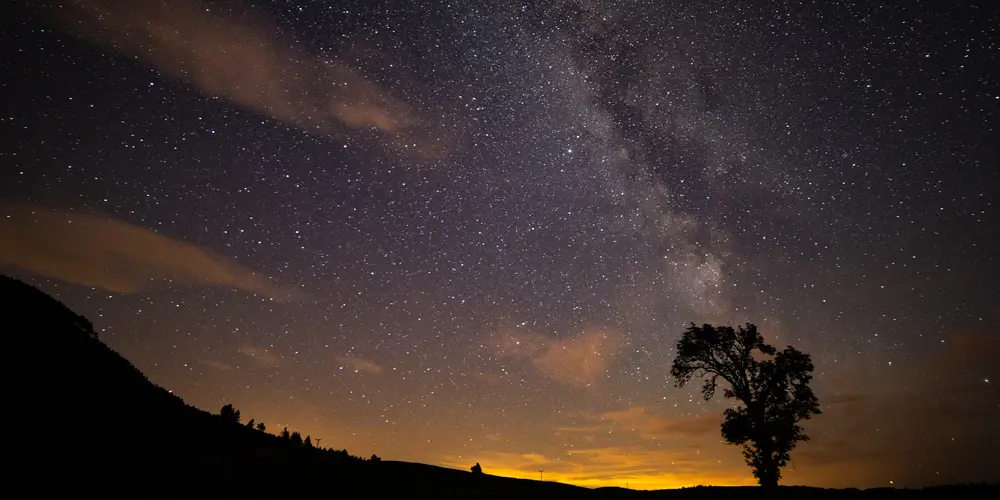
Galloway is special due to its remoteness. On a clear night, over 7000 stars and planets are visible with the naked eye, and the bright band of the Milky Way is usually easy to see arching across the sky.
Learn more about the International Dark Sky program
Learn more on our dark sky podcast
We were excited to work with the Glasgow Science Centre on this series about Scotland's dark skies and how to get out and explore them.
An introduction to the night sky
In this episode, we're looking at the basics: what to look for and how to find it in the night sky.
What you can see
During our year-long journey around the sun, the stars appear in different positions. Some are only visible at certain times of year. Some stars make patterns, known as constellations. All around the world, people have joined these dots in the night sky and created stories to explain them.
A little closer to home, the moon can look stunning through binoculars or a telescope.
Look out for a wispy white cloud running across the sky. That’s the billions of stars within our own galaxy, the Milky Way.
Look carefully and you might see the next galaxy, Andromeda. At an amazing 14.7 million trillion miles away, it’s the most distant thing you can see with your naked eye.
Just a few hundred million miles away from us, the planet Jupiter is easier to see. Look carefully through binoculars or a telescope and you might spot the largest of Jupiter’s moons, Ganymede. Io, Europa, Ganymede and Callisto are all roughly the same size as Earth’s moon.
Stargazing top tips
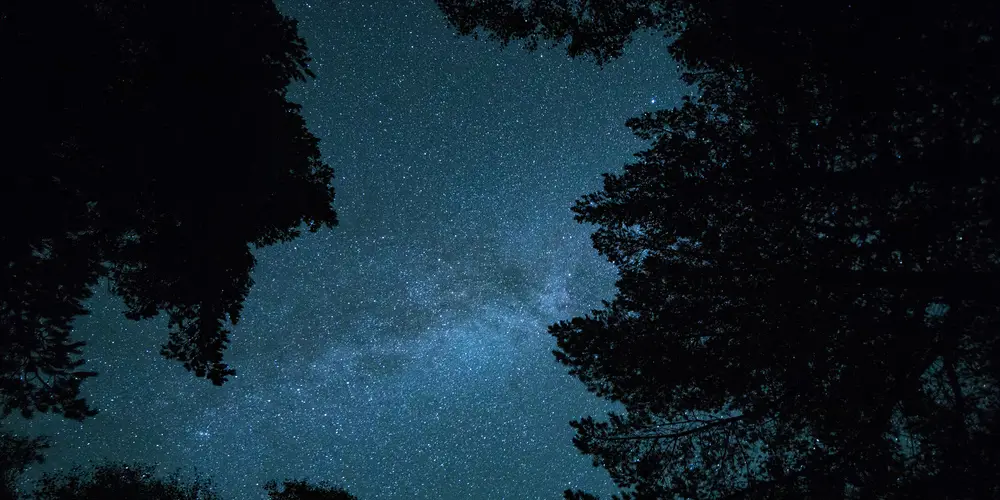
- give your eyes 30 minutes to adjust to the dark.
- use a red light or red filter on your torch will help your night vision
- use a chair to make viewing more comfortable
- monitor the lunar cycle beforehand, as new moon nights are best for seeing the maximum number of stars
- check weather apps to see how cloudy it might be before heading out
How to visit the Dark Sky Park
You’ll get a great view from the 16 forests that make up Galloway Forest Park. We also have two visitor hubs which provide information points to help you identify the constellations and planets you can see.
Dark Sky Rangers
We work with two appointed Dark Sky Rangers who run tours and events, teaching people about the night sky and how to enjoy it. The rangers are passionate about the dark sky and bring a wealth of knowledge to the forest park.
Matthew
Matthew has been fascinated by space since watching the Apollo 14 moon landing. He offers tours using facts, myths, and legends to give people a better understanding of our solar system. Using astro-binoculars, he helps visitors take a closer look at the night sky, identify constellations, and learn to navigate the stars.
Elizabeth
Elizabeth specializes in darkness experiences that look at more than the myths and science around the night sky. Her goal is to give people the tools they need to locate stars and continue to enjoy the night sky long after they leave the forest park.
Some favourite locations of the Dark Sky Rangers are:
- Clatteringshaws Loch
- Stroan Loch
- Glentrool
Protecting our skies
We’re committed to protecting and conserving the Dark Sky Park in Galloway. We’re doing this by using low lighting systems at our visitor centres and use minimal lighting after dark. This leaves just enough light to navigate around the site but not interfere with the night sky.