

Where they live
Beavers live mainly in freshwater lochs, and slow-moving rivers and burns. They’re perfectly adapted for spending most of their time in the water. They have warm, waterproof coats and webbed back feet and large, flat tails for swimming.
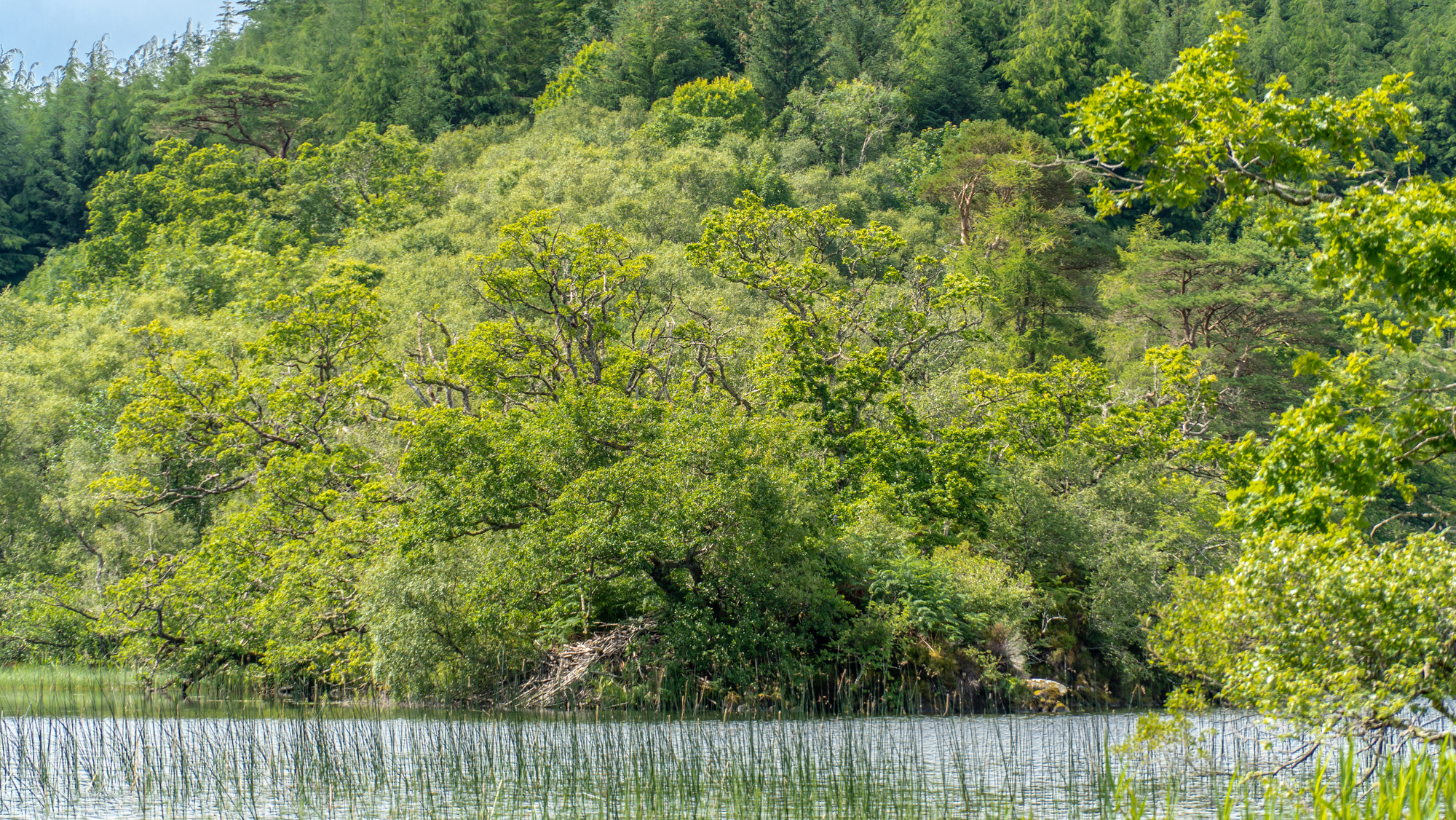
Beavers feel safe when they’re surrounded by water. If there’re no natural ponds where they can live and feed, they build dams in rivers and lochs to create them. Water plants flourish in the still waters and provide the beavers with a regular food source. A dam is also a safe place to build a lodge for shelter and to rear their kits.
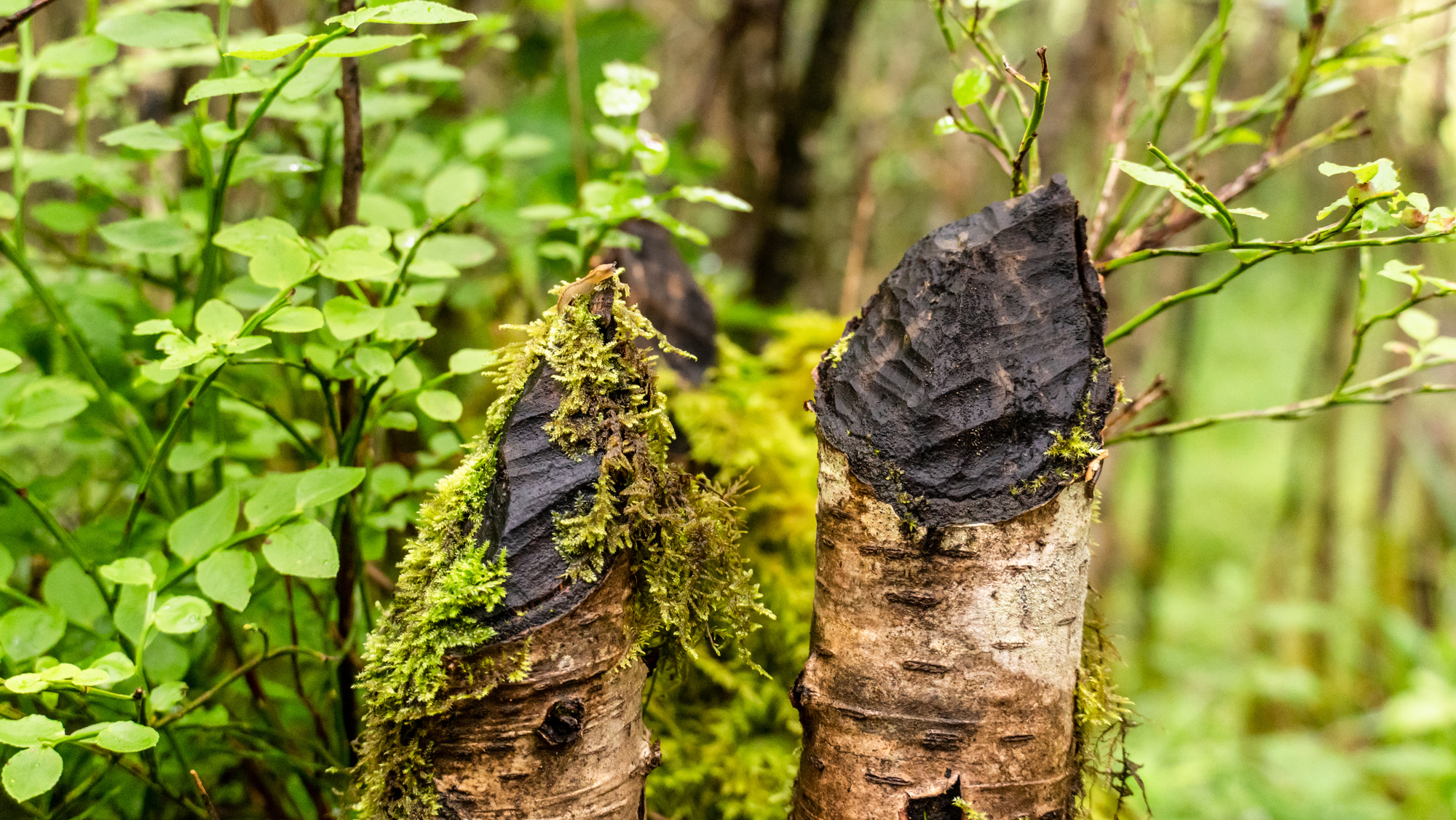
It might look as if the beavers’ work damages the woods, but felling trees and gnawing tree stems encourages new growth. Building lodges and dams and forming ponds creates wetland environments that benefit other wildlife. All of this breathes new life naturally into the forest.
What they eat
Beavers are vegetarian. They eat aquatic plants, grasses and shrubs during the summer months and woody plants and bark in winter. They often store food underwater in case the water freezes over.
How to see them in the wild
Where you can see them
The best place to see them is in Knapdale Forest in West Argyll. Find out all about beavers and their return to Scotland at Barnluasgan Information Centre. Then try the Beaver Detective Trail around the Dubh Loch and Loch Collie Bharr.
You can also get a close-up of a real beaver dam by walking across the amazing floating pontoon on Loch Coille Bharr. As you explore the forests and lochs, look out for other wildlife such as otters and eagles
When you can see them
You can see beavers all year round because they don’t hibernate.
Best time to see them is at dawn or dusk. Beavers are least active in winter. You’ll need to be quiet and patient because beavers are very shy.
What to look out for
Look out for ripples on the water and listen for splashing water and gnawing sounds. They’re about the size of a large spaniel dog, around 3 feet (1 metre) long with their tails. Look out for the beavers’ broad heads low in the water.
You might not always be lucky enough to spot a beaver, you’re likely to see the evidence of their work in the form of gnawed and felled trees, dams and ponds. You might also see regenerating trees or beaver canals leading to the water.